MAKE THIS FILM.
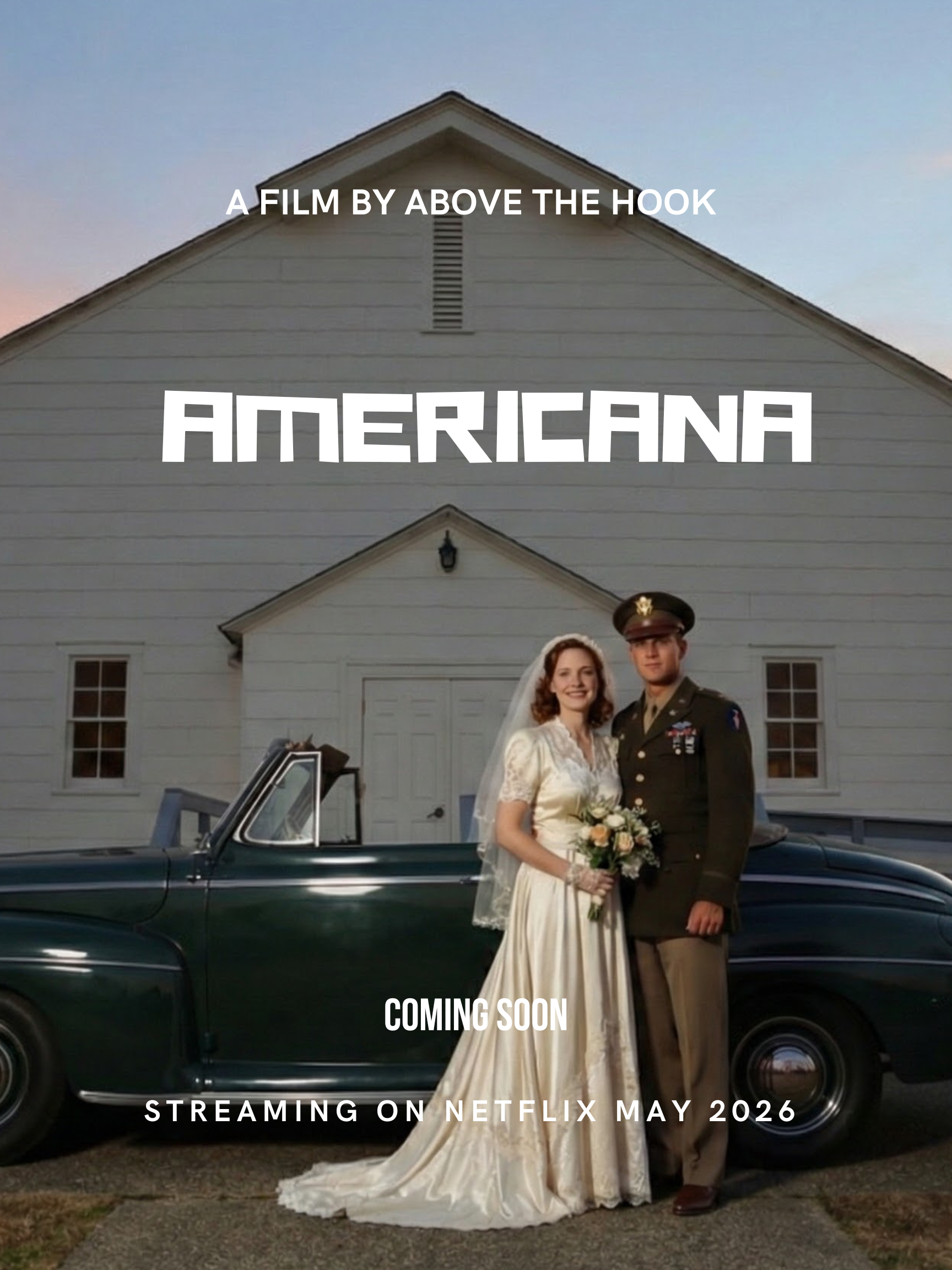
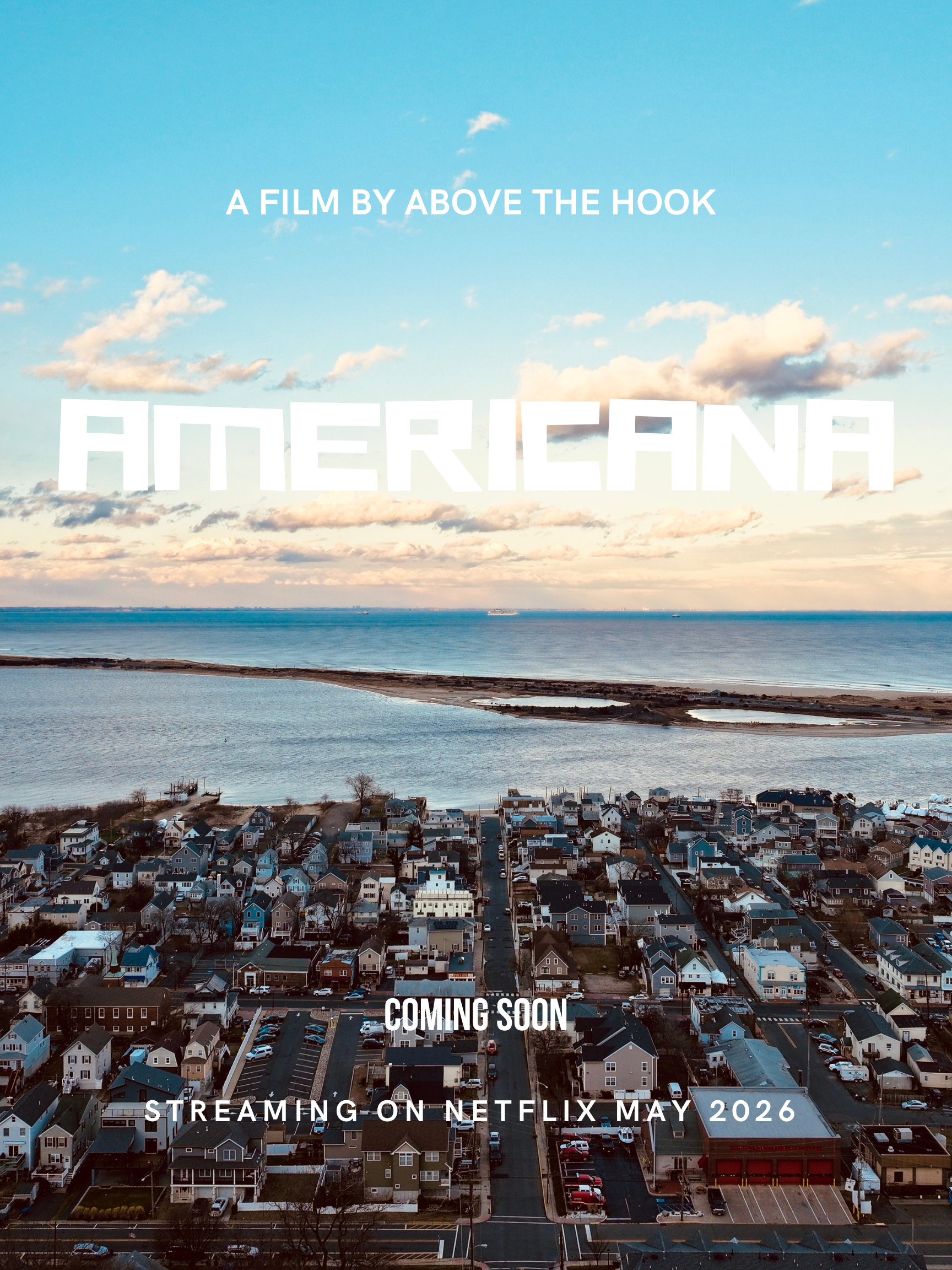
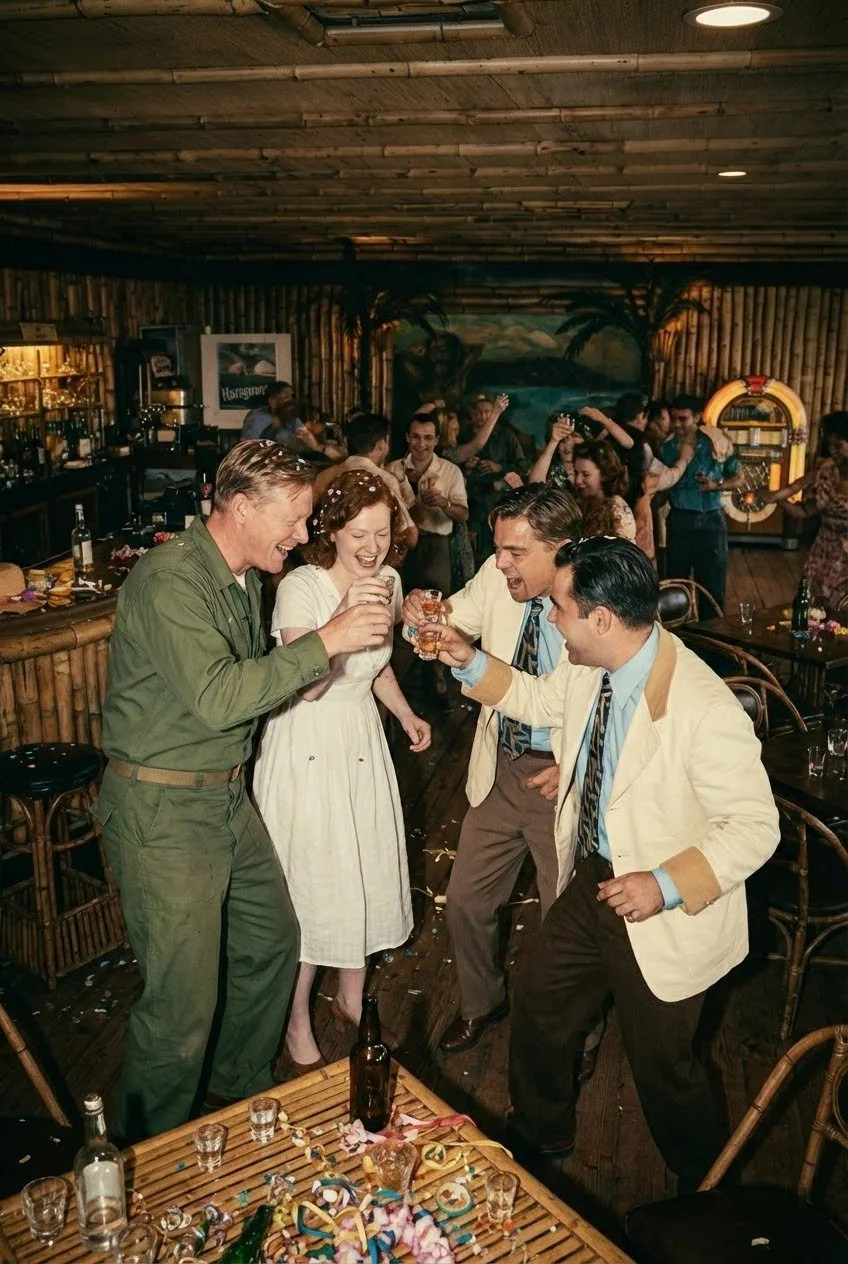
We’re building a film set in vintage Highlands
Not behind closed doors — but in public.
Until the story is impossible to ignore.
If you make movies, ehem Netflix, please give us a call.
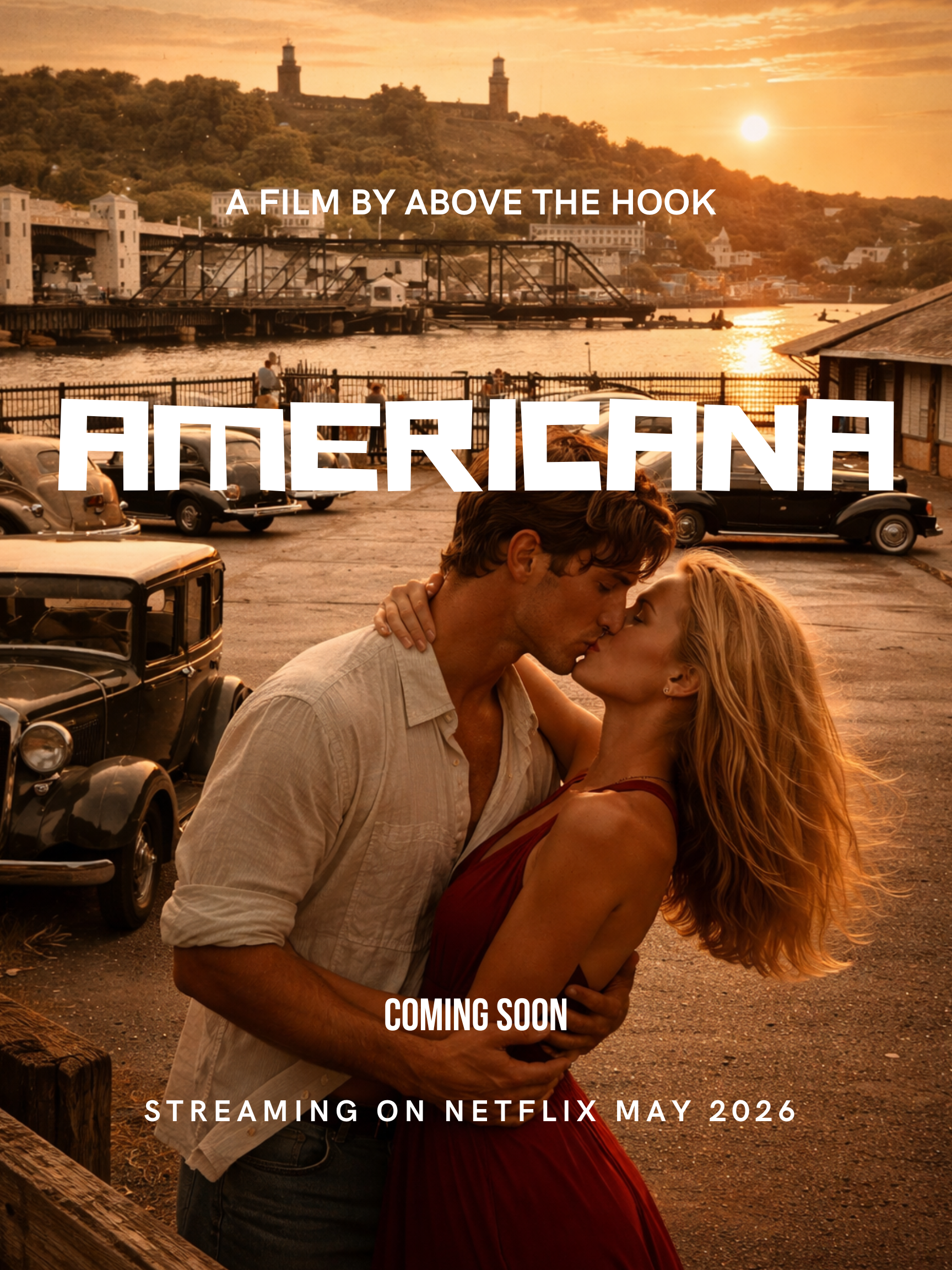
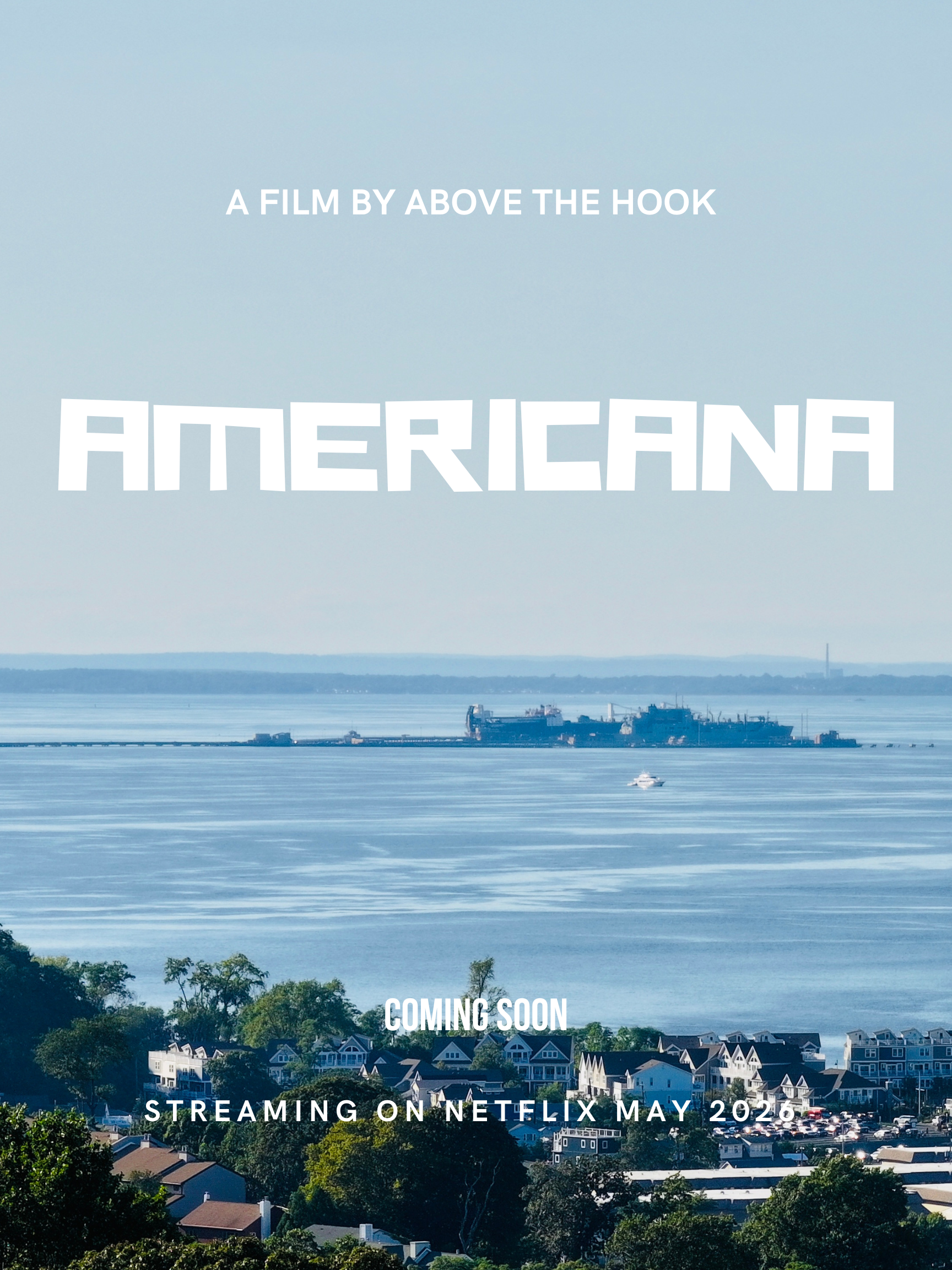
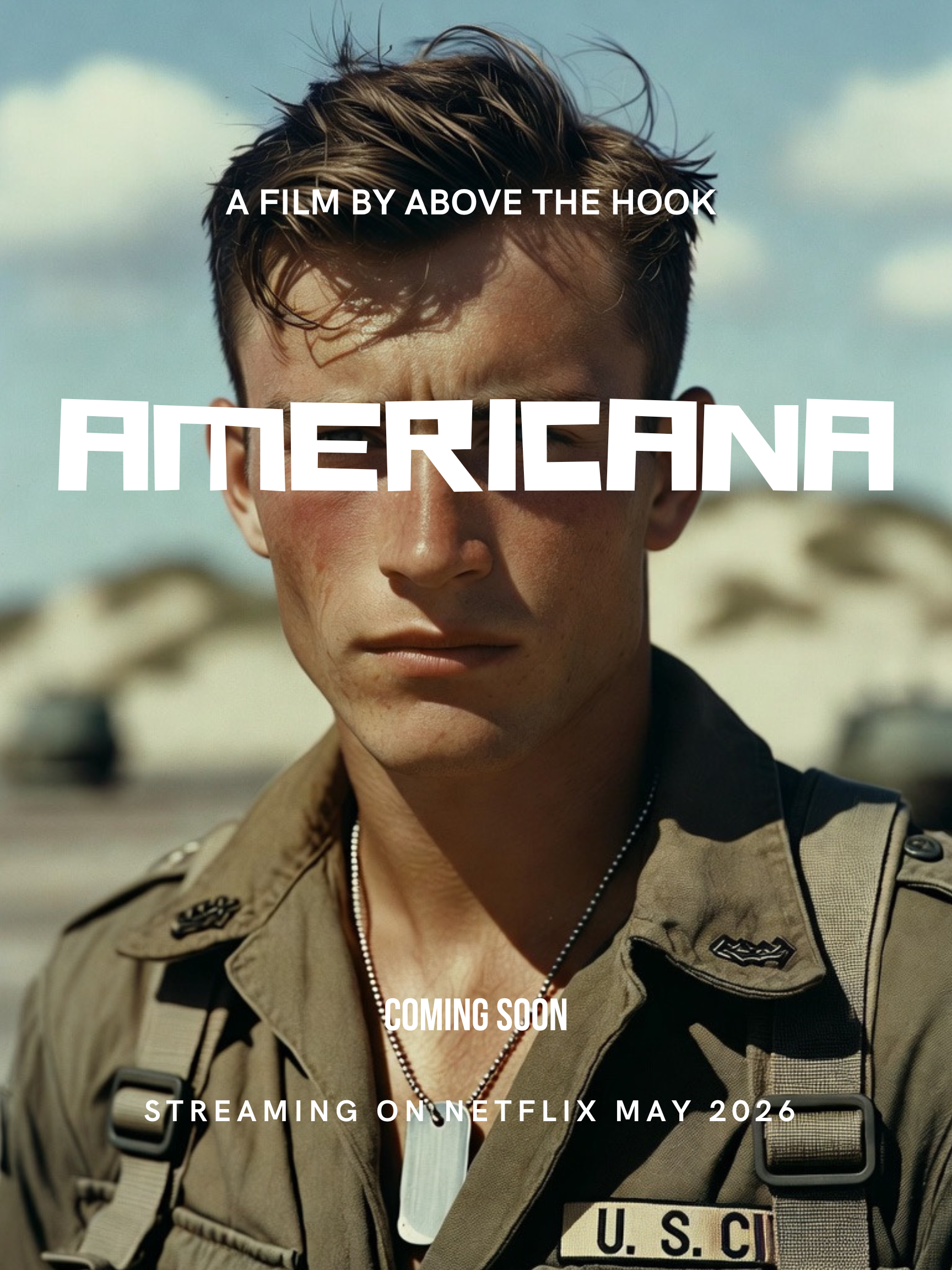
AMERICANA (working title) is a film and series about a town shaped by water, work, and youth —
and what happens when attention, money, and outsiders begin to change it.
This is a story about keeping the culture and roots of a place intact while the world starts looking in.
We are a community of locals and visitors collecting the archives of this place and sharing stories you can’t believe you’ve never heard before.
What We’re Making
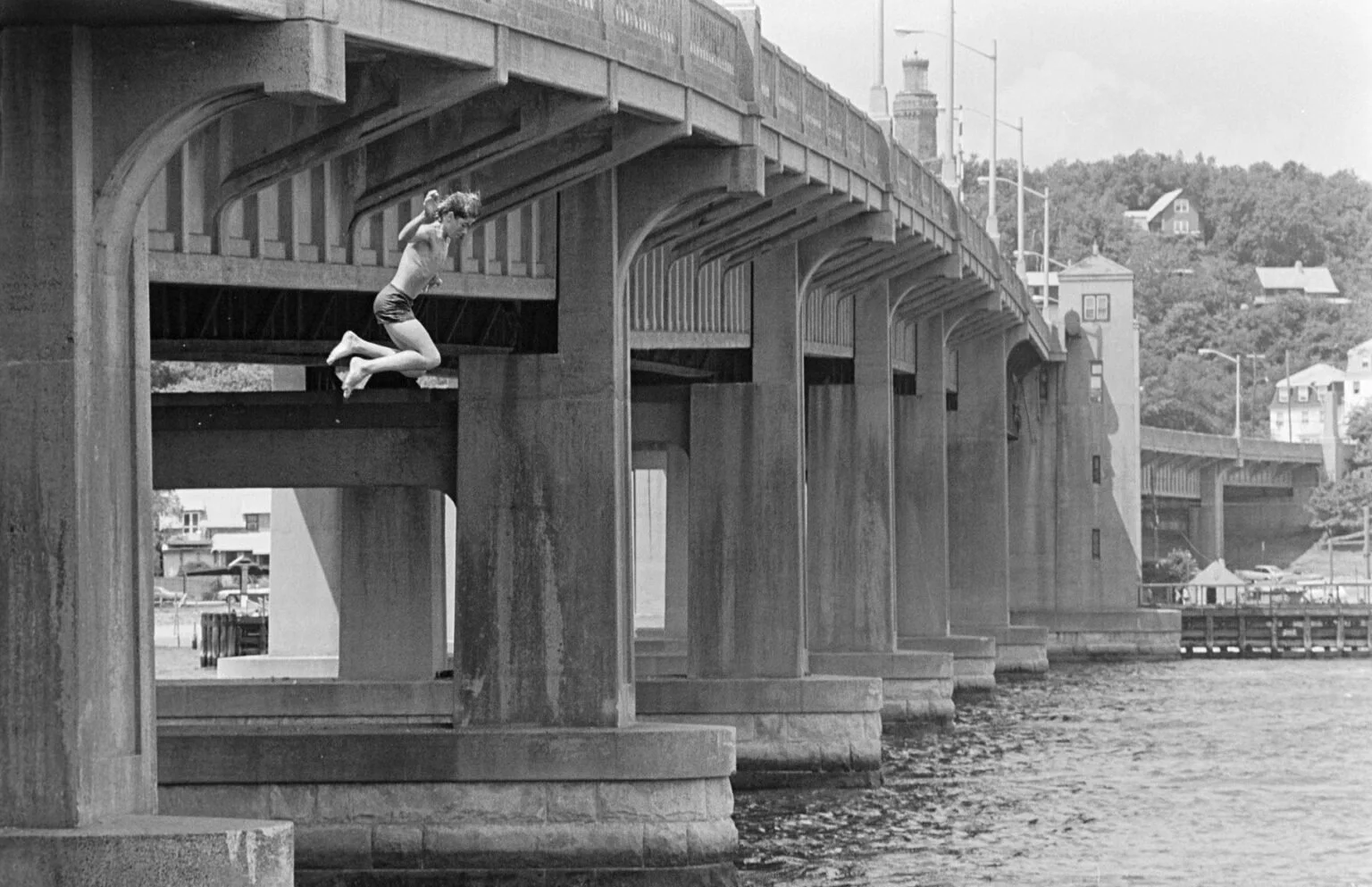
This film can’t be written from the outside.
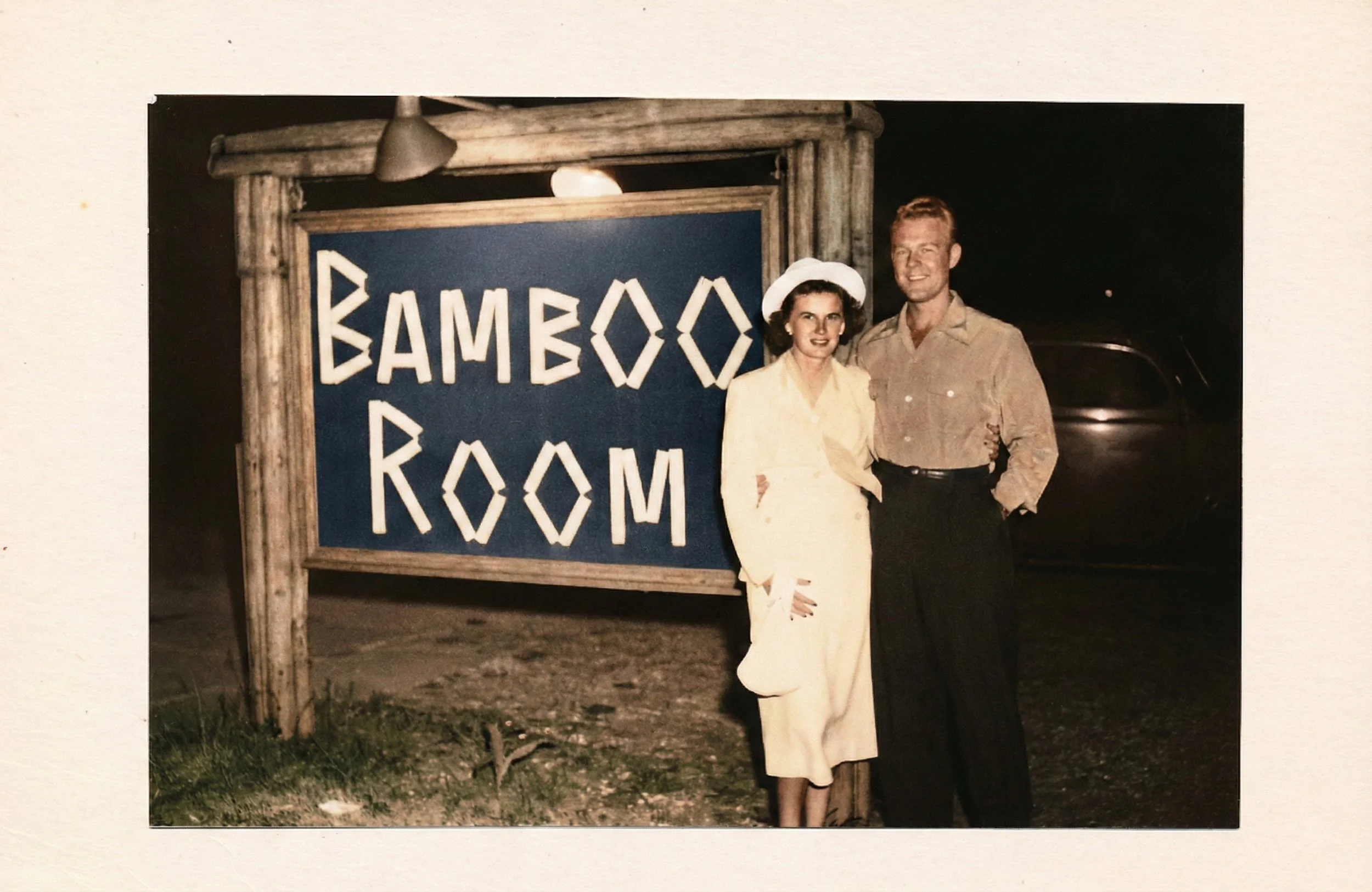
We’re gathering real stories, photos, artifacts, locations, and memories from the people who lived this town — or inherited it.
If you have a piece of Highlands history, it belongs in this story.
This Story Doesn’t Exist Without You
Share History & Artifacts
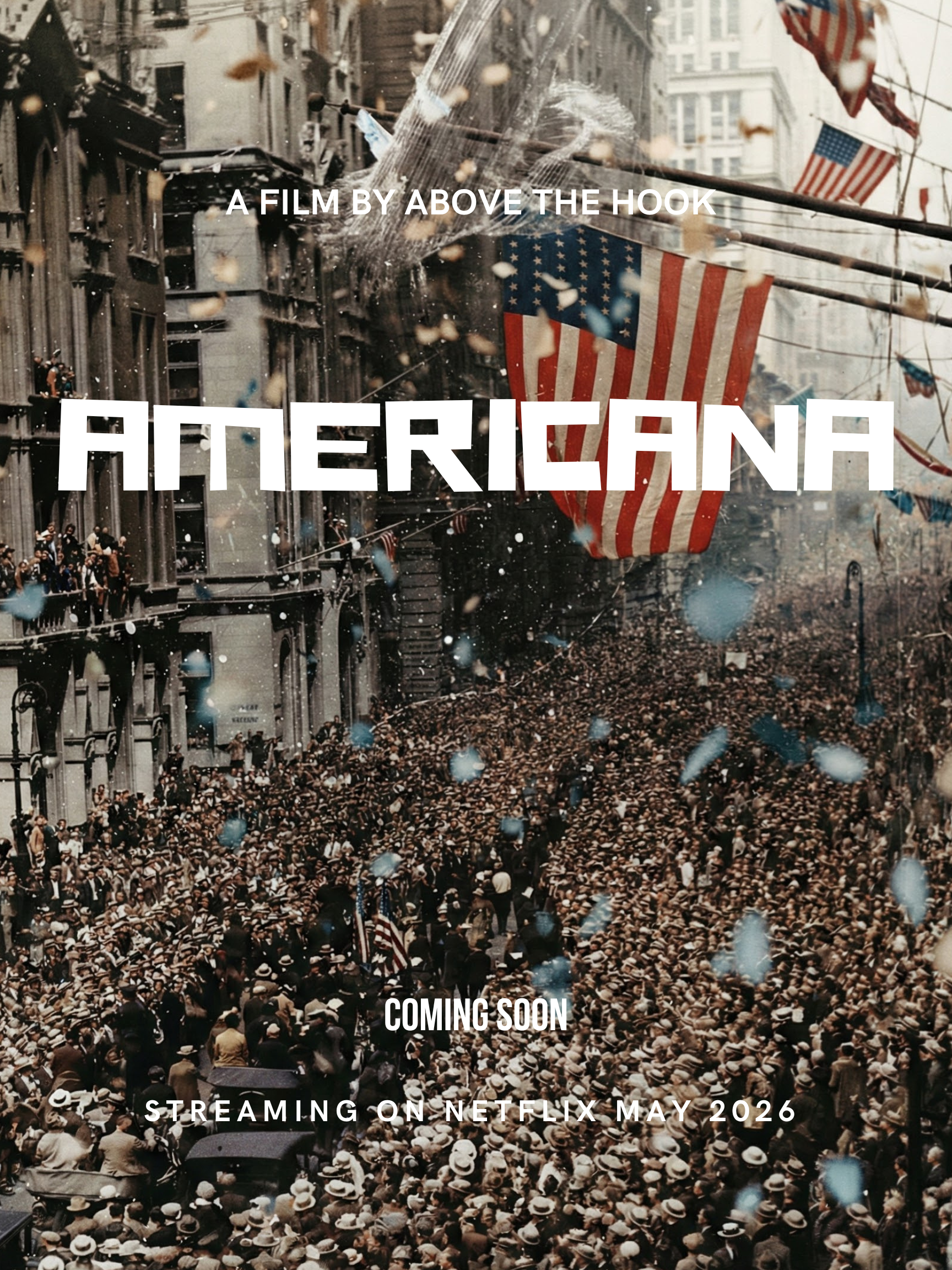
Why We’re Doing This in Public
Let’s be clear. Netflix has not green lit this film.
However, this is how stories get made now.
You build the world.
You find the audience.
You make it undeniable.
Together, we’ll bring this series to life.
And immortalize the storied past of our special town.
Reviews we expect to receive
★★★★★★★★★★ (A rare, perfect score)
By the world’s most trusted film critic
There are films that entertain, films that impress, and—once in a generation—films that reveal something we somehow knew but had never been able to articulate. AMERICANA is that kind of work.
Set along the coastline of Highlands and Sandy Hook in the 1930s and 1940s, AMERICANA does not merely recreate a period—it resurrects a way of life. This is not historical cosplay, nor nostalgia softened by sentimentality. It is history with salt still on it.
What makes AMERICANA extraordinary is its confidence. The film understands that great American stories are not built on spectacle alone, but on places that absorb human behavior—work, love, crime, loyalty, ambition—until those behaviors become culture. This shoreline becomes one of cinema’s great living settings, joining the ranks of Corleone-era New York, Tony Soprano’s New Jersey, and the small towns that quietly define national identity.
The story unfolds with deceptive ease: fishermen and clammers rising before dawn; summer visitors arriving with music, money, and expectations; young men racing cars through wooded roads and leaping from bridges into dark water because youth has always mistaken courage for invincibility. But beneath this sunlit surface runs a darker current. Prohibition-era smuggling. Mafia interests that never announce themselves. Conversations held at restaurant tables where information moves faster than plates.
The film’s genius lies in how real history brushes against fiction without overwhelming it. Famous figures pass through the story the way they would have in life—unannounced, half-glimpsed, altering the trajectory of a scene simply by being present. The effect recalls Forrest Gump, but with greater restraint: history here is not a novelty—it is pressure.
At the center is a love story as old as coastlines themselves: a New York visitor falling for the son of a local clammer. Their romance is tender, electric, and imperiled not by melodrama but by the oldest forces of all—class, loyalty, family obligation, and the quiet reach of power. AMERICANA refuses easy cynicism. Love matters here. It changes outcomes. It demands courage.
When storms arrive—literal and moral—the film reveals its soul. Boats go out when they shouldn’t. Doors open when they’re not supposed to. People help people, not because they are heroes, but because survival in places like this has always depended on who you show up for.
Visually, AMERICANA is breathtaking. Light behaves like memory: sun breaking across water, fire glowing against night, fog swallowing certainty. The camera treats the coastline not as a backdrop but as a witness—never romanticized, never exploited. This is filmmaking rooted in respect.
And yet what ultimately elevates AMERICANA beyond even its narrative achievements is how it was made.
This is a film born not from a closed room, but from a community. Through place-based storytelling, the resurrection of artifacts, collaboration with historians, conversations with descendants of historical figures, and the audacious use of modern tools—AI trailers, archival reinterpretations, public-facing development—AMERICANA was built in the open. It invited the town into the process and, in doing so, reclaimed authorship over its own story.
The timing feels almost mythic. As America approaches its 250th anniversary, and as the centennial of Gertrude Ederle’s historic swim returns attention to these waters, AMERICANA arrives as both reflection and warning. With Netflix’s presence at Fort Monmouth and the world beginning to rediscover Highlands, the film stands as a quiet act of stewardship—an insistence that culture be protected before it is consumed.
Few films understand that how a story is told can be as important as the story itself. Fewer still manage to turn process into meaning.
AMERICANA is not simply one of the finest films of its era.
It is a blueprint for the future of cultural storytelling.
It does not ask to be remembered.
It ensures that what mattered is not lost.
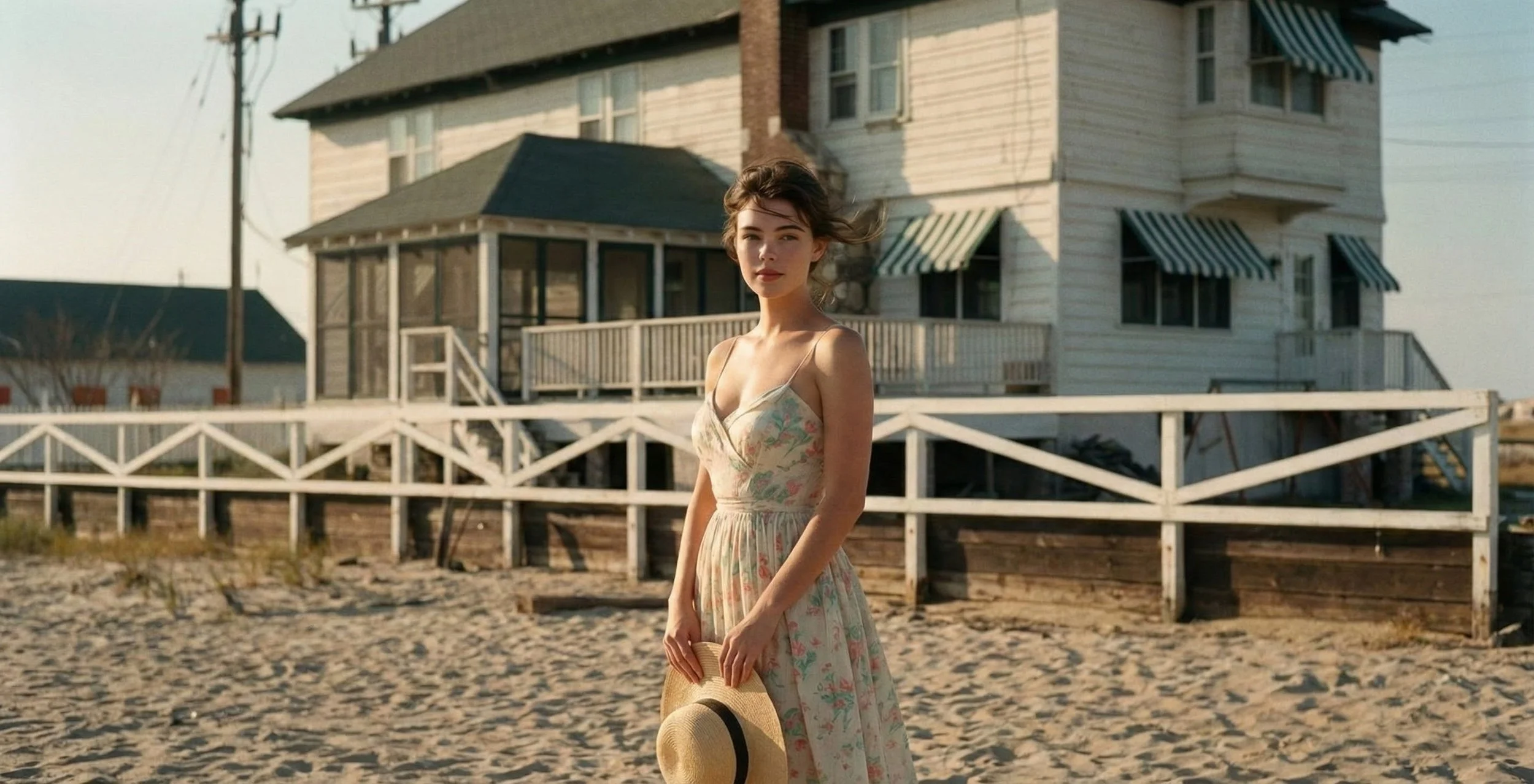
Americana